Neue Sachlichkeit
c. 1920–1933
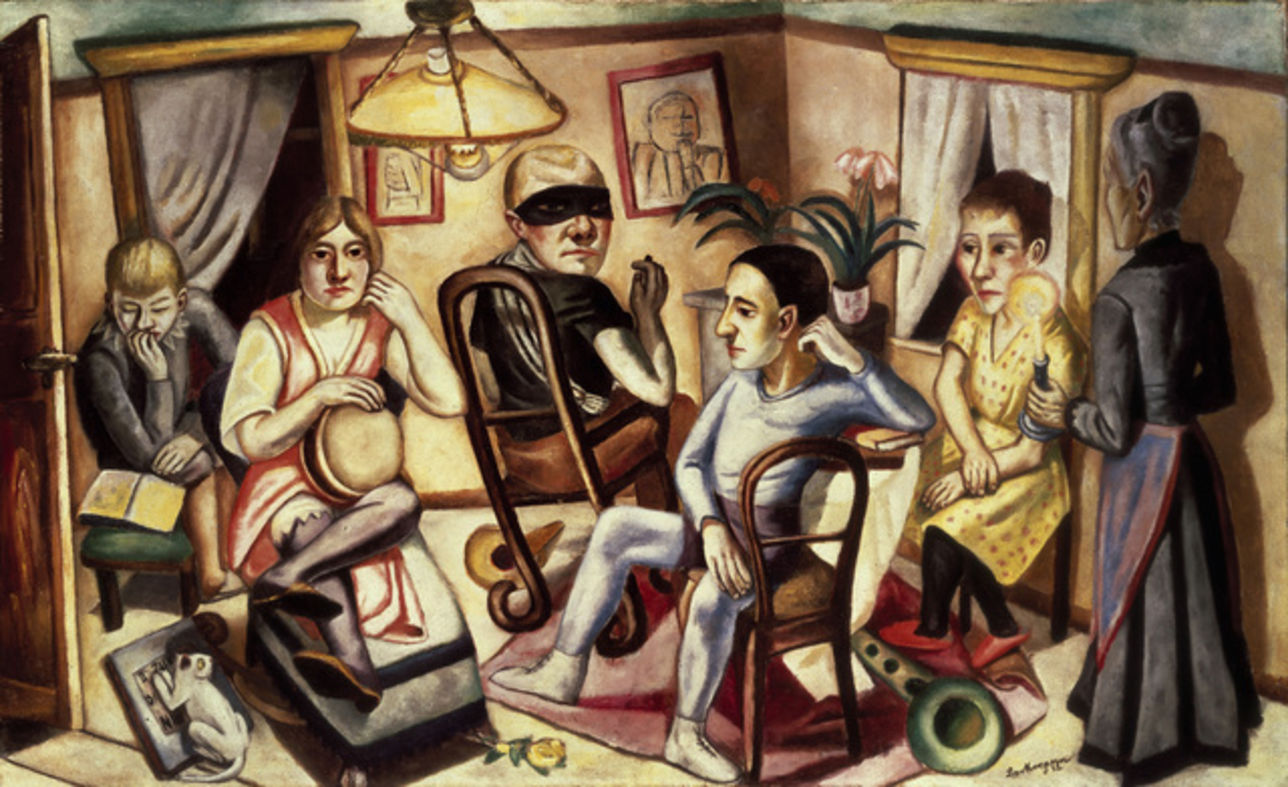
Neue Sachlichkeit emphasized realism and social critique. Artists depicted modern life with sharp clarity and detachment. Emotional expression was minimized. The movement reflected postwar disillusionment.
c. 1920–1933
Neue Sachlichkeit emphasized realism and social critique. Artists depicted modern life with sharp clarity and detachment. Emotional expression was minimized. The movement reflected postwar disillusionment.