Art and architecture from Europe and the Americas, spanning classical antiquity through modern and contemporary movements.
AD 1800-1950
Artists broke from tradition to explore abstraction, emotion, and experimentation, responding to industrialization, revolution, and modern life.
c. 1915–1945
Movements portraying modern life with clarity and structure. Often focused on industry or local identity.
c. 1924–1955
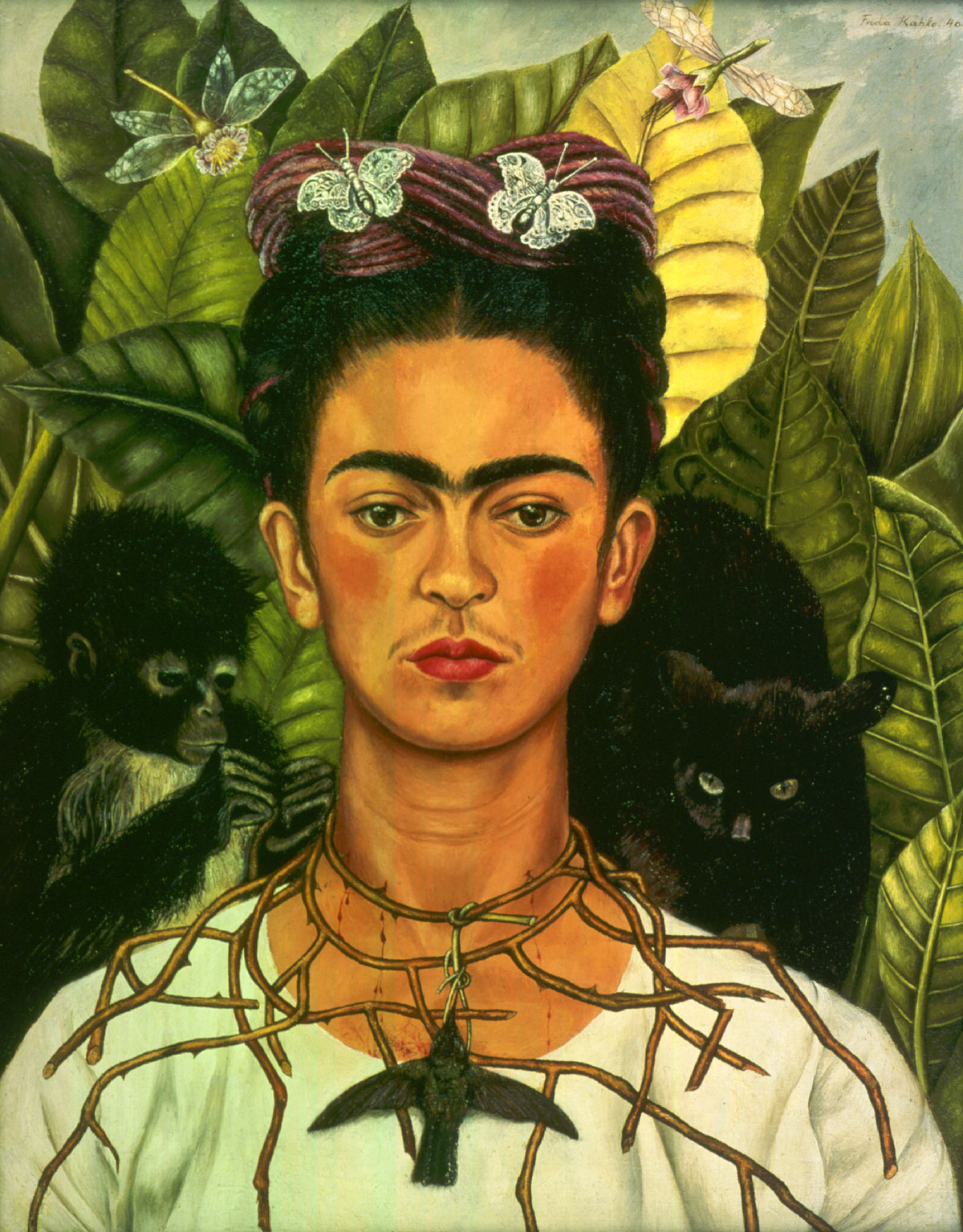
Art inspired by dreams and the unconscious. Logic was replaced by fantasy and surprise.
c. 1920–present
Art strongly connected to national identity and social issues. Muralism played a key public role.
c. 1920–1933
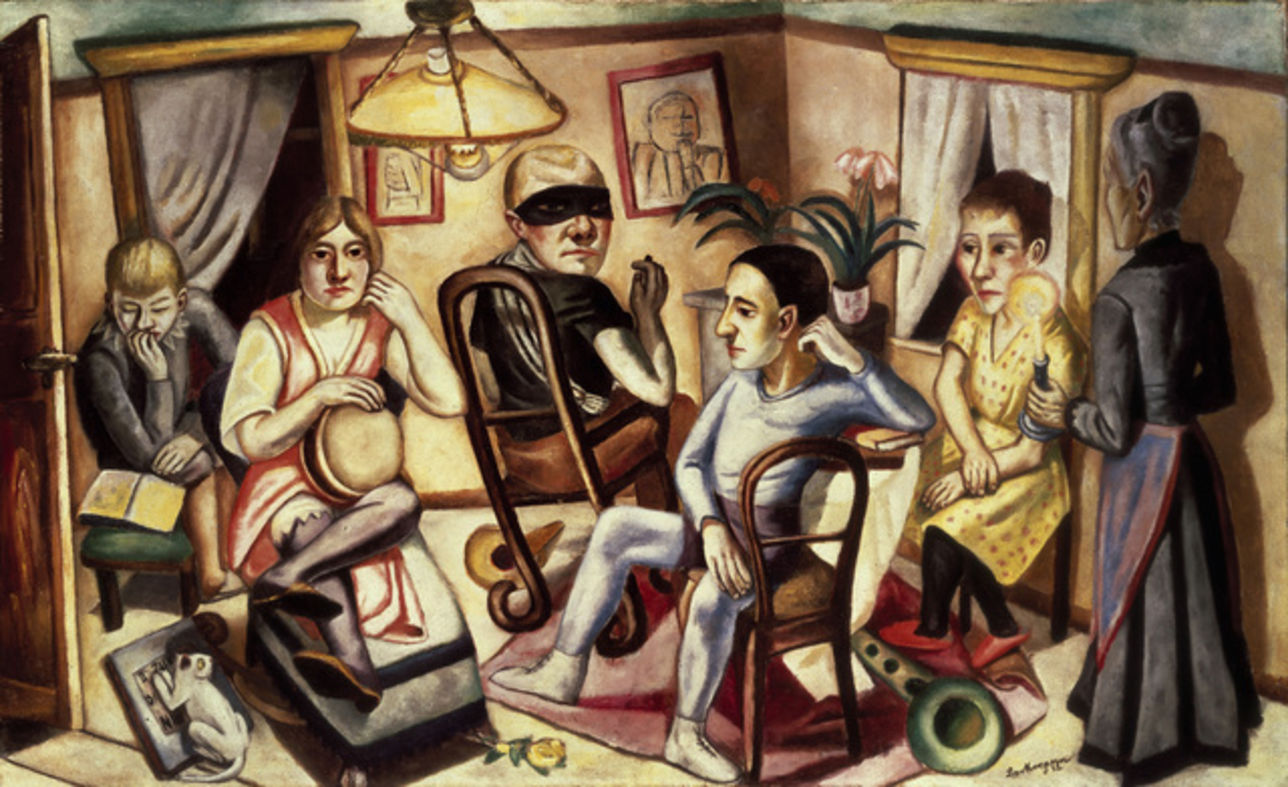
A German movement emphasizing realism and social critique. Rejected emotional expression in favor of clarity.
1919–1933
A modern movement uniting art, design, and technology. Emphasized function, simplicity, and mass production.
c. 1917–1931
A movement seeking universal harmony through abstraction. Used straight lines, primary colors, and strict geometry.
c. 1913–1930
Russian movements focused on abstraction and social purpose. Art became geometric, ideological, and experimental.
c. 1916–1924
An anti-art movement reacting against war and reason. Embraced absurdity, chance, and provocation.
c. 1900–1970
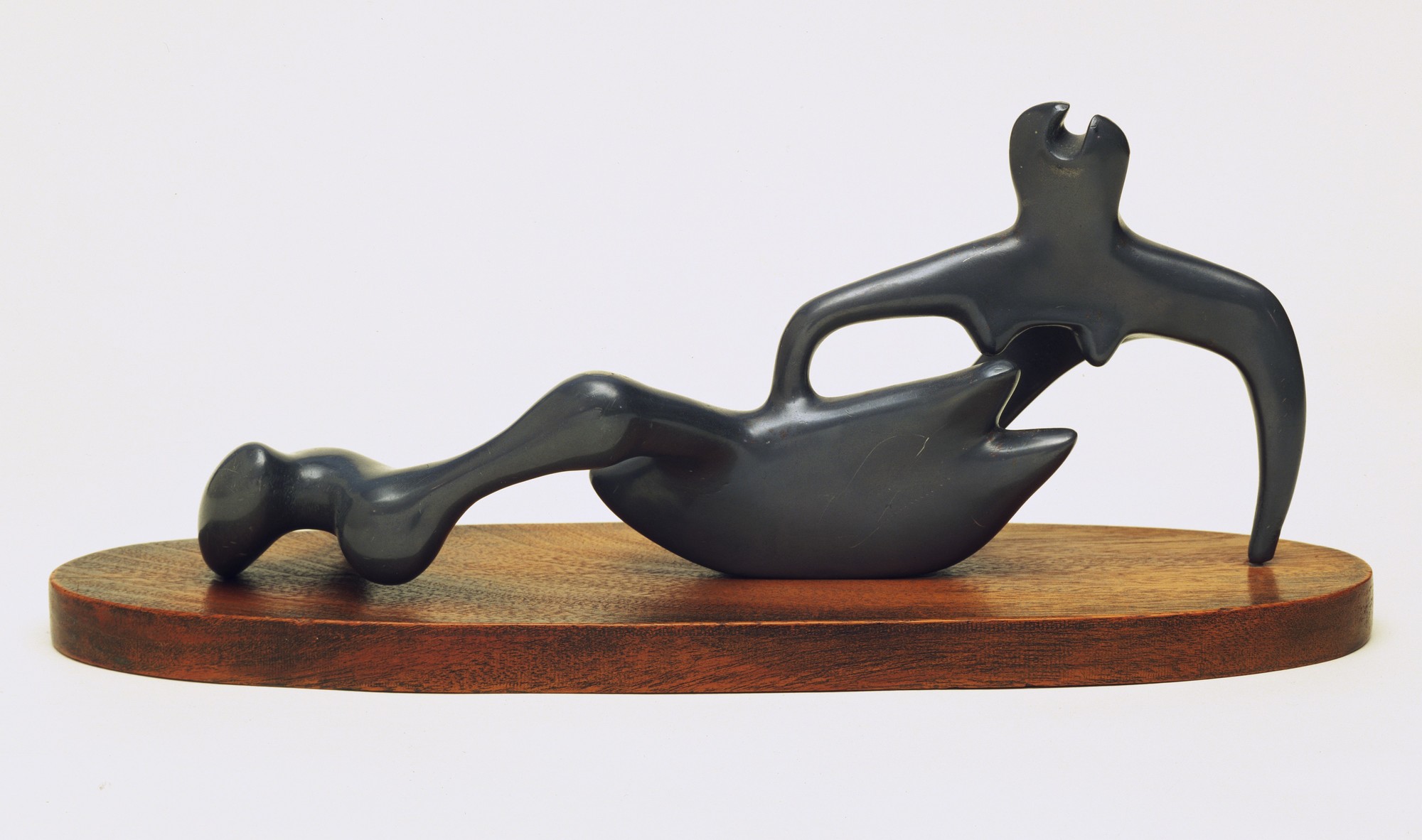
Sculpture breaking from realism and tradition. Explored abstraction, new materials, and spatial ideas.
c. 1900–1940
A diverse group of modern artists working in Paris. United by place rather than style or ideology.
c. 1900–1935
Modern artists drawing inspiration from non-Western art. Sought raw expression and spiritual authenticity.
c. 1909–1916
Avant-garde movements celebrating speed, energy, and modern life. Explored abstraction through motion, light, and rhythm.
c. 1907–1914
A radical movement breaking objects into geometric forms. Multiple viewpoints are shown at once instead of single perspective.
c. 1905–1925
Art expressing inner emotion and social anxiety. Used distorted forms and intense color.
c. 1905–1908
A movement defined by bold, non-naturalistic color. Color was used for emotional impact rather than realism.
c. 1880–1920
The period when photography gained artistic recognition. Technical and expressive possibilities expanded rapidly.
c. 1890–1910
Artists breaking away from academic institutions. Promoted artistic freedom and modern styles.
A decorative style inspired by nature and flowing lines. It unified art, design, and architecture into a total visual language.
c. 1886–1905
Artists moved beyond Impressionism toward structure and expression. Color and form gained symbolic meaning.
c. 1885–1905
Movements emphasizing inner meaning over appearance. Used simplified forms and symbolic imagery.
c. 1865–1885
A movement capturing fleeting moments of light and everyday life. Loose brushwork and outdoor painting replaced academic precision.
c. 1860–1900
A 19th-century movement promoting “art for art’s sake.” Beauty and sensory pleasure mattered more than moral or social messages.
c. 1848–1860
A movement rejecting academic convention. Favored detail, bright color, and medieval inspiration.
c. 1840–1880
Art depicting everyday life without idealization. Focused on ordinary people and social conditions.
c. 1800–1900
Western depictions of the Middle East and Asia. Often romanticized and shaped by colonial perspectives.
c. 1700–1880
Official art taught in academies and salons. Favored historical subjects, ideal beauty, and technical precision.