Fauvism
c. 1905–1908
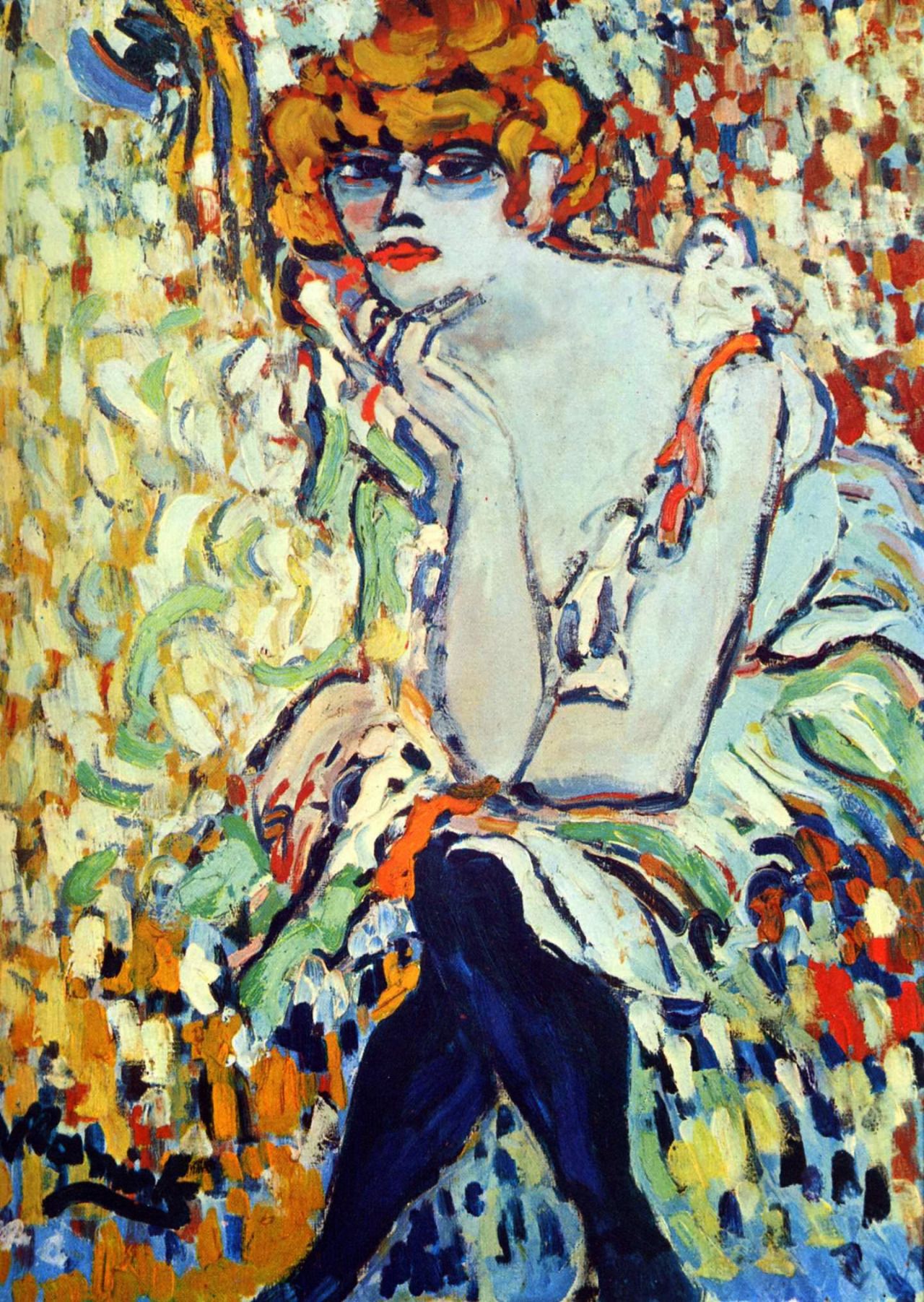
Fauvism is defined by bold, intense color and simplified forms. Color is used for emotional impact rather than realism. The movement was short-lived but influential. It helped liberate color from descriptive function.
c. 1905–1908
Fauvism is defined by bold, intense color and simplified forms. Color is used for emotional impact rather than realism. The movement was short-lived but influential. It helped liberate color from descriptive function.