Marked by the Renaissance and Baroque, this era revived classical ideals while celebrating humanism, proportion, realism, and dramatic expression.
c. 1750–1850
Neoclassicism revived the art of ancient Greece and Rome. It emphasized clarity, order, and moral seriousness. Artists rejected decorative excess. The movement aligned with Enlightenment values.
Thomas Jefferson
1822–1826
The domed centerpiece of the University of Virginia, inspired by the Roman Pantheon.
Auguste de Montferrand
1818–1858
A massive domed church in St Petersburg, decorated with granite columns and golden interiors.
Jean Auguste Dominique Ingres
1814
A sensuous portrait of a reclining woman, with elongated proportions and exotic setting.
Charles Percier and Pierre Fontaine
1800–1802
A richly decorated Neoclassical interior in Malmaison Palace, reflecting imperial taste.
1806
A formal portrait of Napoleon dressed in coronation robes, echoing medieval and Byzantine imagery.
Jacques Louis David
1787
A Neoclassical painting of Socrates calmly facing execution, symbolizing virtue and reason.
1784
A powerful painting of Roman brothers swearing loyalty, embodying patriotic duty and sacrifice.
Robert Adam
1789–1791
A Neoclassical building with balanced proportions, designed for Scotland’s leading university.
Ange-Jacques Gabriel
1762–1768
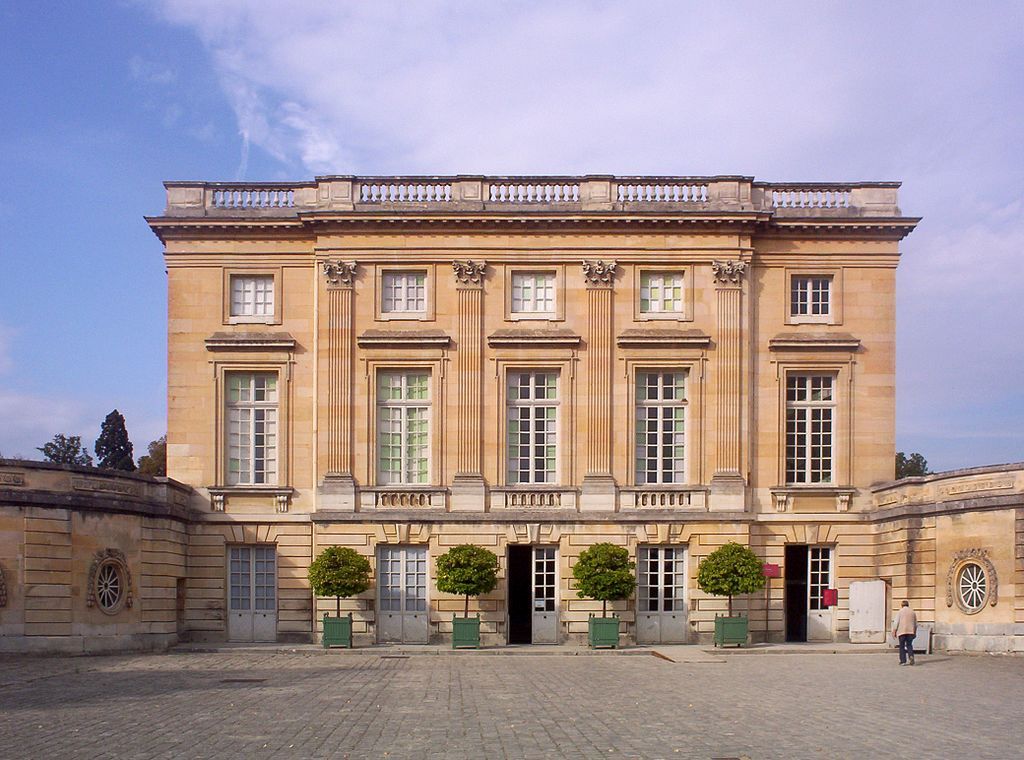
A refined palace at Versailles built for Louis XV, later used by Marie Antoinette.
J-G Soufflot, J-B Rondelet
1758–1790
A monumental Parisian church turned mausoleum, blending classical form with modern engineering.