Romanesque Art and Architecture (c. 900–1200)
Romanesque art and architecture flourished across Europe from the 10th to the 12th centuries, a period marked by religious fervor, pilgrimage, and the expansion of monasticism. The term "Romanesque" was coined in the 19th century to describe medieval church buildings that echoed elements of ancient Roman design—especially rounded arches, massive stone walls, barrel vaults, and decorative arcading.
Architecture: Monumentality and Devotion
The Romanesque style is best known for its massive stone churches, characterized by semicircular arches, thick walls, sturdy pillars, and small windows that created dimly lit interiors. These buildings were designed to evoke a sense of awe and spiritual authority. Innovations like the ambulatory with radiating chapels, as seen at St Foy in Conques, were developed to accommodate large numbers of pilgrims.
One of the finest examples is Durham Cathedral in England (1093–1133), which demonstrates technical mastery in ribbed vaults and a rhythmically articulated nave. Similarly, St Michael’s Church in Hildesheim (1010–31), a late Ottonian building, represents an important transition to the Romanesque, with its double transept layout and rich sculptural program.
French Romanesque buildings like Autun Cathedral and Cluny Abbey exemplify regional adaptations, ranging from richly sculpted facades to austere Cistercian simplicity. The Abbey Church of Sainte-Foy not only showcased the architecture but also housed precious relics that drew pilgrims.
Pilgrimage and Monastic Power
The spiritual and economic importance of pilgrimage routes, such as the Camino de Santiago, profoundly shaped Romanesque architecture. Towns along these routes developed large churches with side aisles and galleries to handle crowds. Pilgrimage also encouraged the spread of artistic styles and relic cults, such as that of St. Foy, whose bejeweled reliquary in Conques is an icon of medieval faith and craftsmanship.
Sculpture: Didactic and Dramatic
Sculpture became an essential feature of Romanesque church portals and interiors, used to convey biblical stories to an illiterate public. Artists like Gislebertus, whose work adorns Autun Cathedral, produced expressive figures that captured spiritual tension and moral messages. Tympanums—semi-circular reliefs over entrances—often featured dramatic depictions of the Last Judgment or Christ in Majesty, as seen at St Foy.
Italian sculptors such as Wiligelmo at Modena Cathedral introduced narrative reliefs that bridged classical influence and medieval stylization. Sculptures were not limited to stone; metalwork and enamel, especially in reliquaries like the Shrine of the Three Kings in Cologne, were equally elaborate.
Painting and Manuscripts
Fresco painting flourished in Romanesque churches, with bold colors and simplified figures designed for narrative clarity. An excellent example is the Temptation of Christ fresco from San Baudelio de Berlanga, which reflects Byzantine and Mozarabic influence. Manuscripts such as the Winchester Bible stand out for their ornate initials and narrative illustrations crafted with gold, lapis lazuli, and intricate detail.
Textiles and the Bayeux Tapestry
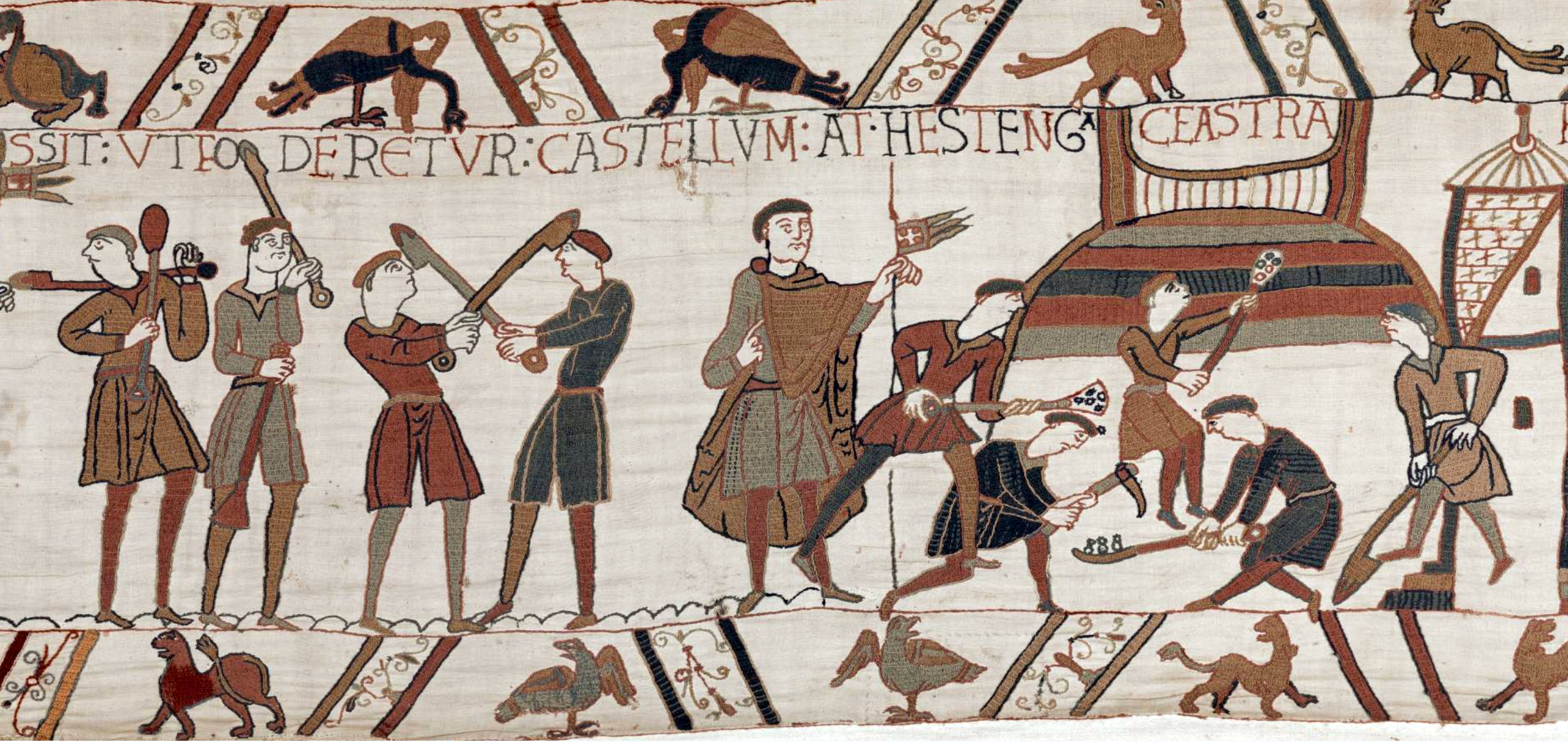
One of the most famous Romanesque artworks is the Bayeux Tapestry (c. 1066–77), an embroidered linen nearly 70 meters long that recounts the Norman conquest of England. Both historical document and artistic achievement, it blends narrative storytelling with Romanesque iconography, capturing scenes of battle, courtly life, and celestial omens.
Legacy and Revival
Though Gothic architecture eventually replaced Romanesque forms with its soaring vaults and pointed arches, the Romanesque style had a long-lasting impact. Its influence persisted in later medieval architecture and even sparked revivals, such as the Richardsonian Romanesque in 19th-century America. Today, Romanesque buildings remain enduring monuments of faith, craftsmanship, and medieval imagination.