Gothic and International Gothic Art & Architecture (c. 1135–c. 1450)
Gothic and International Gothic art and architecture, spanning from the early 12th to mid-15th century, represent a remarkable transformation in Europe’s artistic, architectural, and spiritual culture. Born from the needs of growing urban centers, increased pilgrimage, and a more emotionally expressive religious experience, these styles reached their peak in France and spread across the continent, influencing everything from monumental cathedrals to delicate illuminated manuscripts.
Origins and Key Innovations
The Gothic style first emerged in the Île-de-France region, traditionally marked by the reconstruction of the Basilica of St Denis under Abbot Suger (1135–1144). His vision of light-filled interiors, spiritual symbolism, and height was revolutionary. Suger’s work introduced ribbed vaults, pointed arches, and flying buttresses, which together allowed architects to build higher and open up walls for vast stained-glass windows, bathing interiors in colorful, symbolic light.
These techniques quickly spread and evolved, transforming church architecture into a visual narrative machine—guiding pilgrims, educating the illiterate, and glorifying God through verticality and luminosity.
Architectural Masterpieces
Chartres Cathedral (c. 1194–1220): A hallmark of High Gothic, with sophisticated elevation including a three-part interior structure (arcade, triforium, clerestory), and exquisite stained glass.
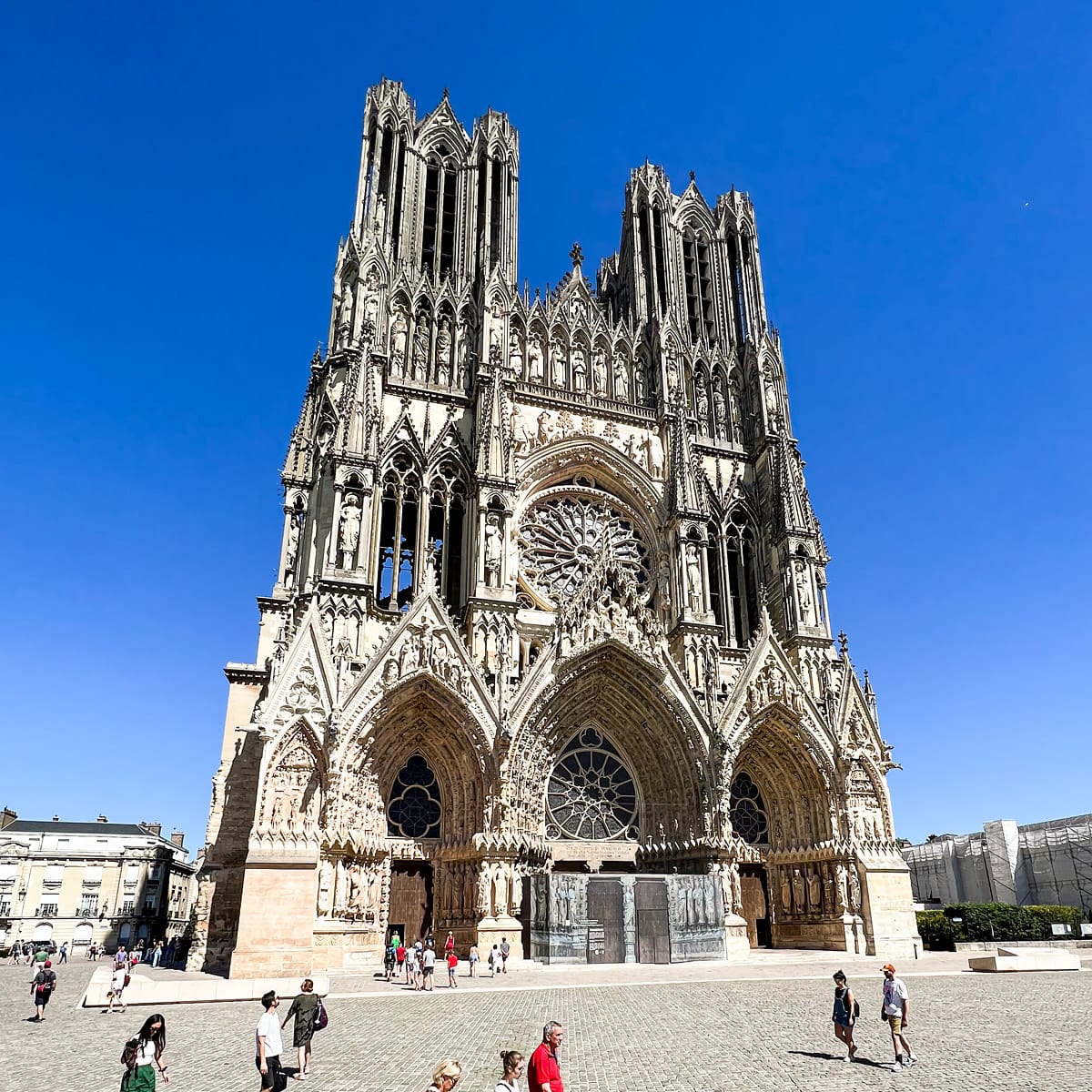
Reims Cathedral (1211–1275): Built to crown French kings, it developed the earlier Gothic vocabulary with more elaborate bar tracery, an expressive facade, and refined sculptural programs.
Old Town Bridge Tower, Prague (1357–c.1388): An example of Gothic’s secular adaptation, it showcases ornamental symbolism and civic pride in Bohemia under architect Peter Parler.
Basilica of St Denis, though modified later, remains the ideological and structural origin of the style.
Cologne Cathedral and other German examples show how Gothic spread and evolved regionally, often blending with local styles.
The defining features of Gothic architecture—verticality, light, structural daring—made buildings like these not only engineering marvels but also spiritual experiences.
Decorative Arts and Manuscripts: The International Gothic
By the late 14th century, Gothic sensibilities moved beyond stone into the realms of painting, sculpture, and illuminated manuscripts. The International Gothic style emerged from aristocratic courts across France, Italy, Bohemia, and England, combining elegant figures, naturalistic detail, and gold-leaf opulence with courtly narratives.
Key works include:
The Wilton Diptych (c. 1395–99): An English devotional panel with rich symbolism and delicate rendering.
Tres Riches Heures du Duc de Berry (c. 1413–16): Illuminated by the Limbourg Brothers, this Book of Hours epitomizes Gothic luxury with detailed seasonal scenes, elegant architecture, and vibrant color.
The Fountain of Youth, Adoration of the Magi, and Madonna with the Quail display this style’s theatrical elegance and layered symbolism.
Artists such as Gentile da Fabriano, Jean Malouel, and the Limbourg Brothers set a standard in Gothic painting that emphasized visual splendor, storytelling, and refined grace.
Cultural and Social Impact
The Gothic era paralleled significant religious and political change: pilgrimage routes expanded, religious orders flourished, and cities gained power. Gothic churches were centers of civic identity and sacred authority. Meanwhile, the International Gothic style catered to the nobility's tastes, representing a cosmopolitan exchange of ideas and aesthetics.
Despite its association with sacred themes, Gothic architecture also extended into civic buildings, city gates, and towers. Ornamented with coats of arms, patron statues, and heraldic motifs, these structures expressed pride, power, and identity.
Legacy
Gothic architecture and the International Gothic style defined European visual culture for over three centuries. From the soaring cathedrals of France to the luminous manuscripts of noble courts, these styles celebrated light, height, elegance, and storytelling. Their legacy endured even into the 19th-century Gothic Revival and continues to inspire admiration for their synthesis of structure, symbolism, and splendor.